UK guide

Just Moved? Make Friends in a New City, One Familiar Face at a Time

For women who’ve just landed somewhere new in the UK, whether for a job, love or a fresh start, and would like someone to text besides the letting agent.

OR JUMP STRAIGHT TO YOUR CITY
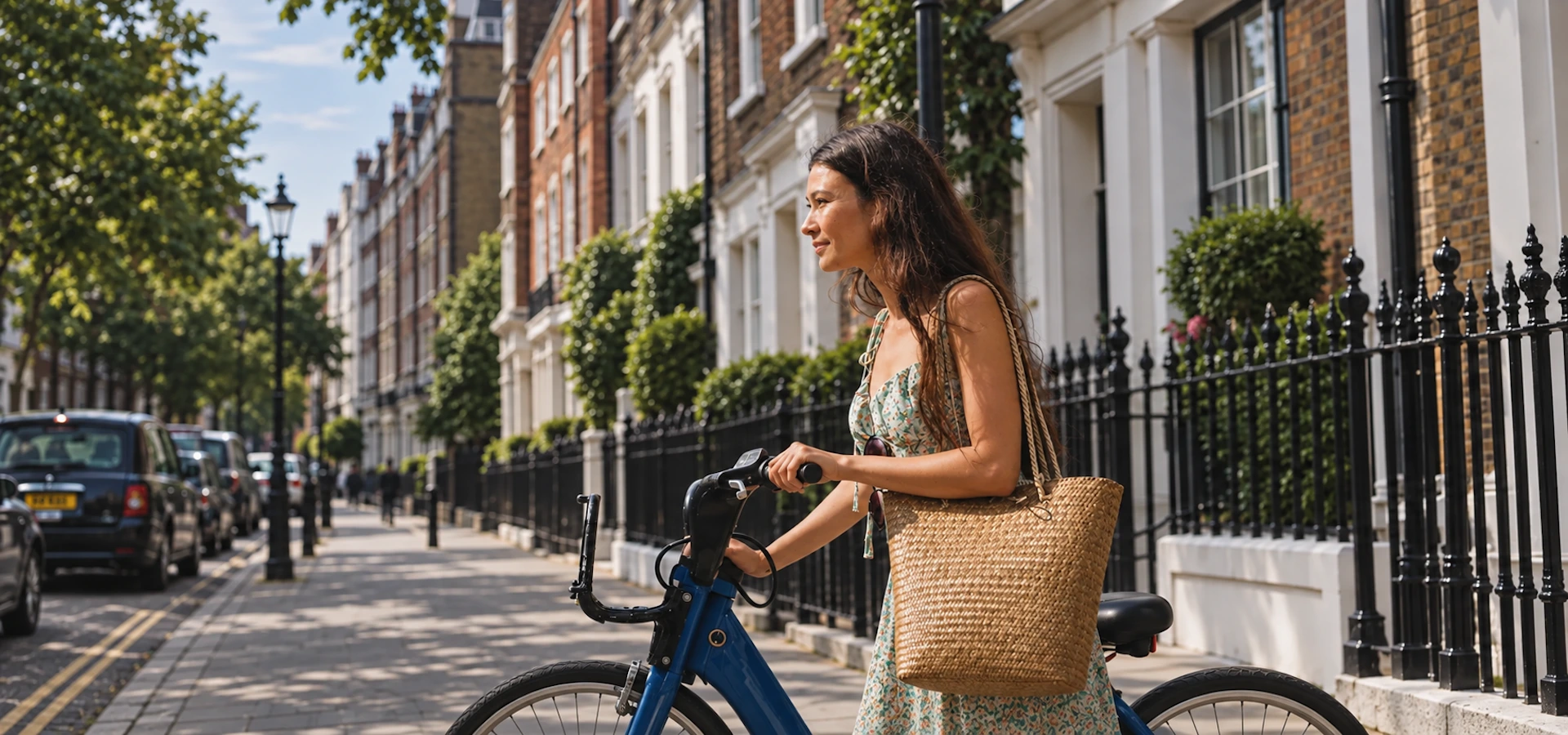
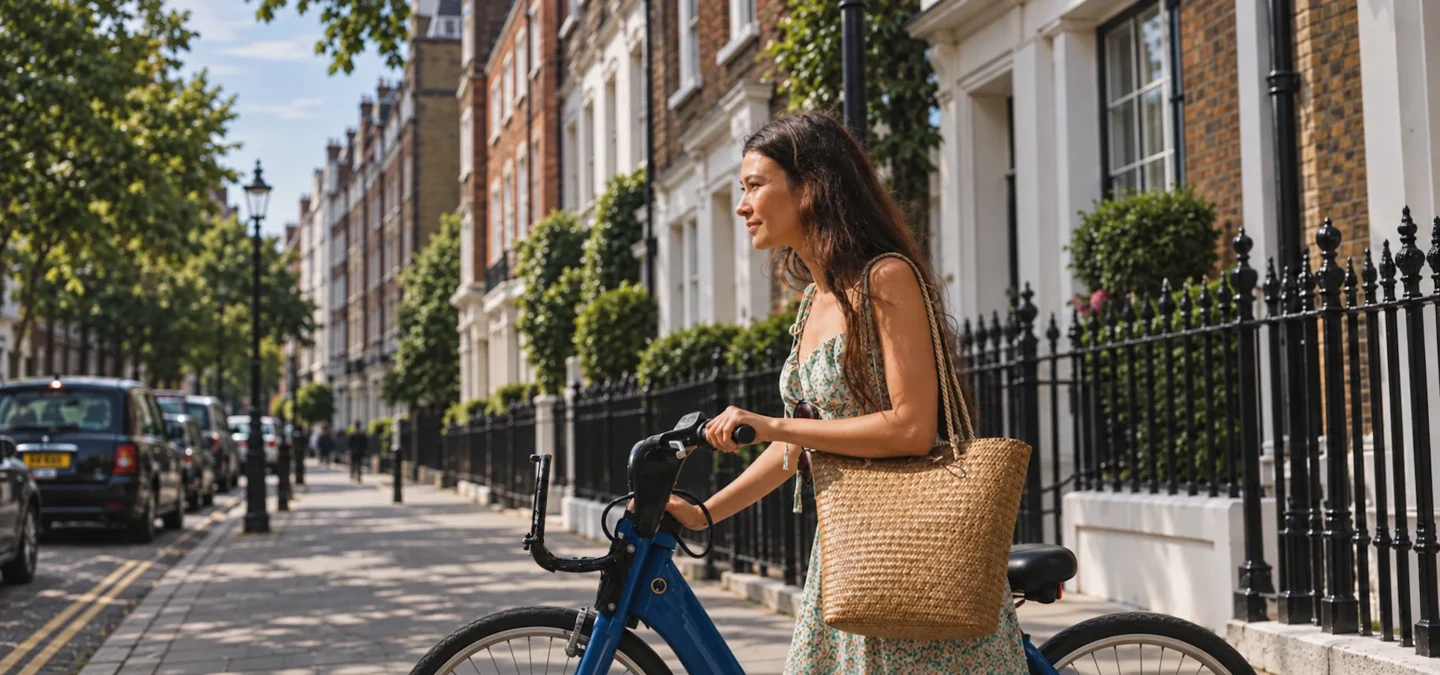
A woman wheeling her bike along a leafy street of terraced houses, settling in to make friends in a new city
The research
2.85m
moves a year within England and Wales
Almost 1 in 10
UK adults say they have no close friends at all
ONS internal migration estimates (England and Wales); Opinium for the Belonging Forum, 10,000 UK adults, March 2025.
25

city and region guides
across the UK

Gofrendly
Women only.
Friendship, not dating.
Free to join.
The short answer

Making Friends in a New City: The Short Version

When you’ve just moved, making friends in a new city comes down to repeated contact: the same faces in the same places, week after week, until strangers become your people. The first months can feel quiet, and that’s the pause before belonging kicks in. Below, we cover what works across the UK, plus a guide for wherever you’ve landed.
01
Pick one thing with a fixed weekly slot, so the same people turn up without anyone having to organise it.
02
Accept the first small invitation that comes along, rather than waiting until you feel settled.
03
Expect it to take a few months, because new circles form through repetition, not one brilliant evening.
04
Use a women-only friendship app to find others nearby who are also looking for friends.
05
Open your city or region guide below to see what’s on where you’ve landed.
Ready to make friends near your new place? Make local friendship happen.

Women only · Friendship, not dating · Free to join
Why it changes

Why the First Few Months Feel So Quiet

Moving is ordinary: millions of us change postcode every year. What isn’t ordinary is arriving somewhere where everyone else’s circles are already set, with their usual table, their usual walk and a group chat built on in-jokes from three years ago. Nobody there knows how you take your tea yet, and that’s the bit that takes time.
A move resets your local circle to zero overnight. It says nothing about you, only that friendship runs on repeated, low-stakes contact a new place hasn’t handed you yet.
ONS internal migration estimates (England and Wales); Opinium for the Belonging Forum, 10,000 UK adults, March 2025.
Practical ways

Practical Ways to Make Friends After a Move

01

Read the noticeboards the locals actually use

Every area has its own channels: the library board, the neighbourhood Facebook group, the café window with the faded flyers. That’s where the walking group and the Thursday quiz are hiding.
02

Treat the new job as a social starting point

If you moved for work, the staff social, the lunchtime run or the colleague who knows the area are your first local links. Say yes to the work drinks once, even if you leave after one.
03

Take the friend-of-a-friend introduction

Ask your old circle whether they know anyone near your new place. A slightly second-hand connection beats starting cold, and “Sam said I should say hi” is a ready-made opener.
04

Volunteer, don't just turn up

Marshalling at parkrun or helping at a community event gives you a job, a lanyard and a reason to talk to the same people every week, which is far easier than hovering at the edge.
05

Learn your area's social geography

Work out where things actually happen: the market, the arts centre, the bus route that links your street to the busier neighbourhood. Your new circle may live a short hop away rather than next door.
A woman wheeling her bike along a leafy street of terraced houses, settling in to make friends in a new city
In focus

The Newcomer Landscape in the UK

Nobody arrives in a new town the same way, and the UK’s social scene for newcomers is less a single path than a patchwork of places where strangers become familiar faces.

Who's new in town

Women move for a job or after their studies, with a partner, back home after many years away, out of a big city for lower costs or more green space, after a separation, closer to family or to care for someone, from abroad, or simply because remote work made it possible. Each starts with the same blank social calendar, just from a different direction.

Where newcomers find a foothold

  • Libraries, with reading groups, craft sessions and noticeboards full of local listings.
  • Welcome and newcomer groups, where a town has one, set up specifically for people who've just arrived.
  • Walking and running groups, including parkrun, where volunteering is part of the weekly routine.
  • Volunteer centres, which match people to local roles.
  • Term-length courses and arts centres, with the same group every week for a set stretch.
  • Markets and community events, the places a neighbourhood shows up in person.

What makes being new different

In the UK, friendships tend to grow gradually through repeated presence rather than big introductions. A newcomer isn't topping up an existing circle but building a whole local one at once, often while everyone around already has theirs. Online, the useful channels are hyper-local: neighbourhood groups, community pages and work socials.

Where you live

Making Friends in a New City Looks Different Depending on Where You Land

A big city and a smaller town give a newcomer different starting points. Neither is harder, they just ask for a slightly different approach.
Big city
Manchester, Edinburgh, Cardiff
Plenty of people and plenty on, which makes it easy to stay anonymous. Shrinking the city to your own neighbourhood and its regular groups is what turns a crowd into familiar faces.
vs
Smaller town
Lancaster, Bath, Inverness
Fewer organised groups to choose from, but the ones that exist tend to be tight-knit, and people notice when someone new turns up twice.
Your city

Go straight to your city

25 local guides across the UK, one for every region, big city and nation.

England
FAQ

Making Friends in a New City: Your Questions

Yes, mainly in scale. When you make friends in a new city, you’re building a whole local circle at once rather than adding to one you already have, with no shared history to lean on. If you’ve lived somewhere for years and want new friends nearby, our Meet People guides are the better fit; this hub is for the social side of a move.
Start with what exists in nearly every UK town: the local library’s groups and noticeboard, parkrun and its volunteer roles, and your nearest volunteer centre. These give a newcomer a regular place to be from week one. Then check your city or region guide on this page for local groups and areas worth knowing.
Very likely. We’ve written guides for 25 UK cities, regions and nations, each covering the local groups, spaces and neighbourhoods where women who’ve just moved can start building a circle. Use the city links near the top of this page, or the full list under Go straight to your city.
Yes. Coming back after years away often means your old friends have moved on, moved out or settled into new routines, so you’re rebuilding much like any newcomer. This hub covers women in roughly the first two years after any move: for work, study, a partner, family, a fresh start, or back home again.
Yes. Gofrendly is a women-only friendship app, free to join, built for friendship, not dating. For women who’ve just moved, it shows others nearby who are also open to meeting up, which saves guessing who in a new city is actually looking for friends rather than politely busy with their own.
No. This hub covers only the social side of a move: making friends in a new city once you’ve arrived. It doesn’t cover housing, schools, jobs, removals or visas. For those, official and specialist sources are the place to look; we stick to helping women who’ve just moved find their people.
More topic hubs

Friendship looks different at every stage

About this guide

Who wrote this guide

This guide was written by Claudia Gård and Ulrika Lilja for Gofrendly, the women-only friendship app. Our angle on moving is the social side only: not the boxes or the paperwork, but the months when a new place hasn’t yet become home. We keep it practical, grounded in UK sources, and honest about the quiet bit.
Claudia Gård & Ulrika Lilja
Founders of Gofrendly · Updated November 10, 2026