Making Friends in Manchester, One Neighbourhood at a Time
Manchester is full of people who arrived as adults, so being new is completely normal. The hard part is turning busy weeks into real friendships, and that is what this page is about.
People living in Manchester itself (ONS, mid-2025)
3M+
People across Greater Manchester (mid-2025)
10
Boroughs make up Greater Manchester
The region
Settling In and Making Friends in Manchester
Manchester is a city where arriving as an adult is the norm rather than the exception. More than 585,000 people live in the city itself and just over 3 million across the ten boroughs of Greater Manchester, the biggest urban area in the North of England. Two big universities, Manchester Metropolitan and the University of Manchester, take in a large student intake each year, and many graduates stay, and work in media, tech and the creative industries keeps drawing young professionals from elsewhere. So when you say you are new here, you will rarely be the only one in the room. Greater Manchester’s size also means there is a club or class for almost any interest, from climbing walls to choirs.
The risk in a city this size is drift. You can fill every evening without ever turning an acquaintance into a friend, and where you live makes a real difference. Fallowfield, Withington and Rusholme form the student corridor south of the centre and stay busy in term time. Didsbury and Chorlton-cum-Hardy have a village feel, with independent cafés, parks and residents who have put down roots. Ancoats and Hulme, close to the centre, are full of newer flats and renters who are often new to the city themselves.
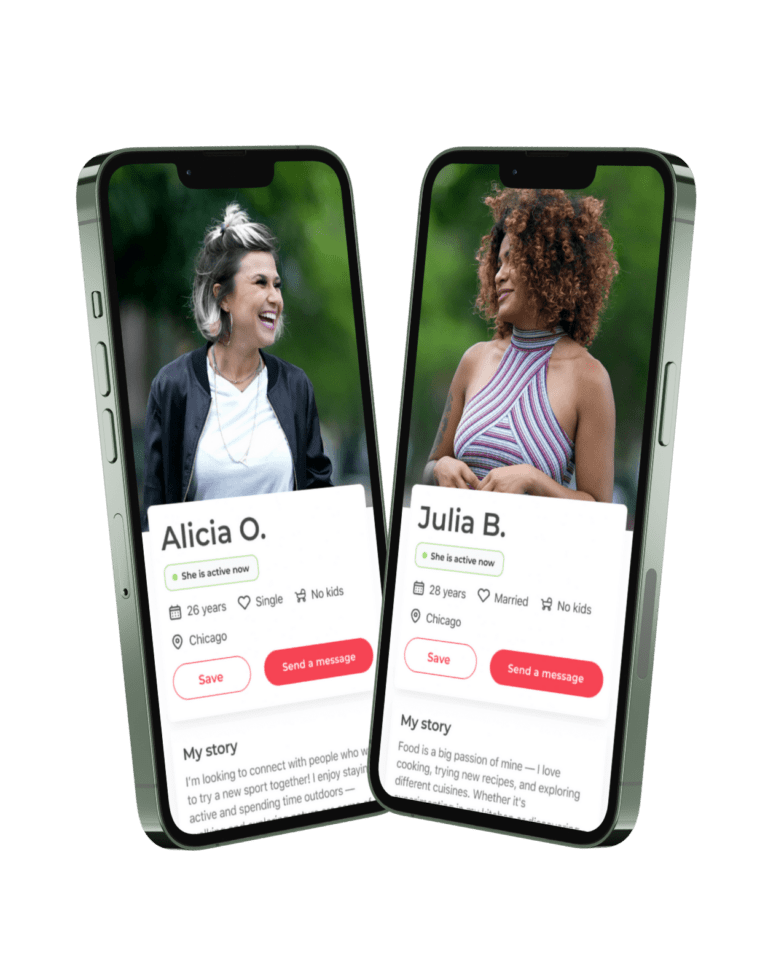
In Manchester, most friendships are built locally rather than across the whole conurbation. Levenshulme and Whalley Range are quieter and more residential, with a strong neighbourhood identity, and the pattern holds there too: people meet around one gym, one running route or one weekly class. Choosing something within walking distance of home and going back every week usually works better than chasing big one-off events. Mancunians are generally happy to chat; turning that chat into a plan is the part that is up to you. Treat the first month as a trial: if a group does not feel right after three or four visits, try another nearby rather than giving up. Gofrendly, a women-only app, lets you see which women near you are also hoping to meet someone new.
Guide
Making Friends in Manchester: A Practical Guide for Women
How Manchester's Neighbourhoods Shape Social Life
Neighbourhood matters more than almost anything else when you are settling into Manchester. Chorlton-cum-Hardy and Didsbury have a settled, coffee-shop pace and plenty of families; Ancoats and Deansgate are younger and more transient; Fallowfield and Rusholme are dominated by students. Wherever you land, regular beats intense: the same class or run club every week will do more for you than ten different things tried once.
Where Friendships Start in Manchester
Ask around Manchester and the same three kinds of places come up as the spot where friendships began.
Run clubs and fitness studios — popular routes include the canal towpaths in Ancoats and the riverside by the Mersey in Didsbury.
Independent cafés and community spaces — Chorlton-cum-Hardy, Levenshulme and Deansgate all have plenty of independent cafés where you can become a regular.
Neighbourhood Facebook and WhatsApp groups — a good source of walks, swaps and meet-ups in Chorlton-cum-Hardy, Didsbury, Withington and Levenshulme.
Manchester at a Glance, Area by Area
Here is a quick look at how Manchester’s main areas differ:
01
Chorlton-cum-Hardy and Didsbury — settled, village-like areas with a strong café and community culture.
02
Ancoats and Hulme — close to the centre, younger and fast-changing, popular with professionals in their twenties and thirties.
03
Fallowfield and Rusholme — Fallowfield is a busy student area, while neighbouring Rusholme is known for its restaurants and diverse community.
04
Withington and Levenshulme — mixed, residential communities with active local groups.
How Manchester Compares to Other UK Cities
Manchester’s civic pride, tied to its music, its football clubs and its industrial history, hands newcomers an easy shared topic. Growth and a large student population also mean a fresh supply of people trying to build a circle every year, which is less true of smaller, more settled English cities. The flip side is scale: you need to choose your corner of the city on purpose.
“
Mancunians are generally happy to chat; turning that chat into a plan is the part that is up to you.
Pick a neighbourhood close to home, such as Chorlton-cum-Hardy or Didsbury, and keep showing up to the same club or class.
Lace up for a run club. Routes along the Ancoats canals or the Mersey in Didsbury give you a weekly reason to meet the same group.
Resist covering all ten boroughs. Build a small circle where you live first, then branch out.
Alongside your club or class, use Gofrendly to arrange one-to-one coffees with women who live close by.
Stories and Advice to Read Next
Real Friendship Story: Seven Friends’ Genuine New Year’s Eve
Amanda and six other women had planned a chill New Year's Eve at home, alone. Then Gofrendly came into the picture, and the night became a dinner party.
Claudia Gård and Ulrika Lilja, Gofrendly’s friendship editors, wrote this guide to Manchester. Their focus is how women can turn a busy, spread-out city into somewhere with a real circle of friends.
Yes. Manchester is known for its straight-talking warmth, and the constant flow of students and young professionals means plenty of people are open to new friends. Music, football and food are easy openers, and any of them can lead to a regular plan if you suggest one.
It is big, but you do not have to take it on all at once. Most people’s social lives sit within one or two neighbourhoods, so day to day the city feels far smaller. Commit to one area first, then widen out once you have a couple of friends there.
Chorlton-cum-Hardy and Didsbury are good bets if you like a village feel, with independent cafés and parks where you start recognising the same faces. If you are younger or a recent graduate, Fallowfield and the areas near the universities are busy and social, especially in term time.
Find something that repeats close to home: a run club, a class, a choir or a neighbourhood Facebook group. One-off events are fun, but weekly fixtures are where you see the same people often enough for a conversation to become a friendship.
Ancoats, Gorton, Wythenshawe and More in Manchester
THE GOFRENDLY APP
Your new friends are already in the app
Women only · Friendship, not dating · Free to join