UK guide

Make friends when your friends are all coupled up

For women whose group chat has turned into wedding admin and house-hunting updates, and who’d like a few friends with free Friday nights. Pick your area, or read on.

OR JUMP STRAIGHT TO YOUR CITY

Make friends when your friends are all coupled up: two women posing together on a night out
The research
1 in 10
UK adults say they have no close friends at all
10+
close friends is linked to a far stronger sense of belonging
Opinium survey for the Belonging Forum, 10,000 UK adults, March 2025
25

city and region guides
across the UK

Gofrendly
Women only.
Friendship, not dating.
Free to join.
The short answer

Making friends when everyone's paired off: the quick answer

When your friends are all coupled up, the way to make new friends is to build a second circle around things you’d happily do on your own, like a weekly class or a club, with other women whose diaries are as open as yours. We’re not replacing the old crew, just adding people who can say yes on a Thursday.
01
Choose one solo-friendly activity with a fixed weekly slot, so you always have somewhere to be that doesn’t need a plus-one.
02
Look for women whose evenings and weekends are their own, because plans with them actually happen.
03
Book the thing you’ve been waiting for someone to do with you, and go anyway.
04
Keep one standing date with your coupled-up friends so those friendships don’t fade by default.
05
Use the guides below to find things to do alone in your area.
Ready to meet friends near you? Make plans that don't need a plus-one.

Women only · Friendship, not dating · Free to join

Why it changes

Why so many friend groups change shape

Partners, weddings, house moves, new jobs and babies tend to land in the same few years, and each one takes a slice of everyone’s free time. Whoever’s diary stays open ends up doing the inviting, and some weeks there’s nobody left to invite.
None of that says anything about you. It simply means the circle needs topping up from somewhere new.
Opinium survey for the Belonging Forum, 10,000 UK adults, March 2025
Practical ways

Practical ways to build a circle that doesn't need a plus-one

01

Go where going alone is normal

Evening courses, supper clubs with shared tables, walking groups and gigs with a big solo crowd. Nobody asks where your other half is when half the room came on their own.
02

Be the one who organises

Coupled-up friends assume you’re busy too. Start something recurring, like a monthly quiz team or a Sunday walk, and let new people join it.
03

Treat a group trip as a social plan

Walking holidays, retreats and group tours for women travelling alone are full of people in the same spot as you, with days of shared meals to get past small talk.
04

Mix the new crowd with the old

Bring a new friend to birthday drinks. A mixed group means fewer plans collapse when one couple cancels, and nobody’s the only one without a plus-one.
05

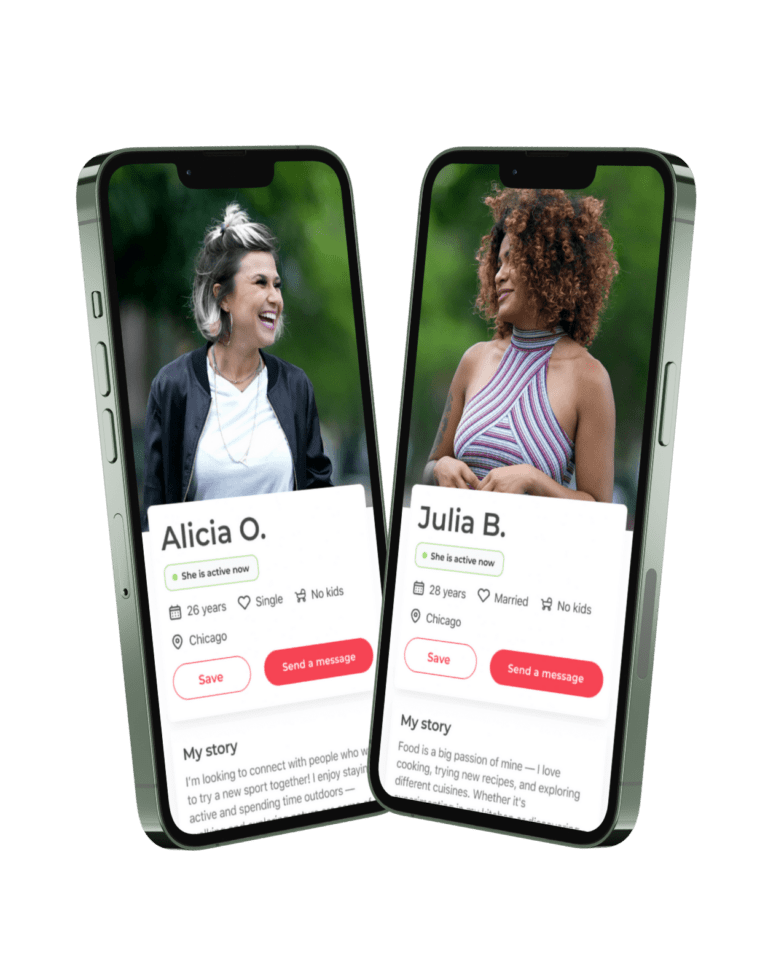
Say what you're after on Gofrendly

Put “free most weekends” or “looking for a gig buddy” in your profile, so women in the same situation can find you instead of guessing.
06

Claim the weekend daytime

While coupled friends are doing family admin and flat-pack furniture, the Saturday run club, the lido and the farmers’ market are full of women with time on their hands.
Make friends when your friends are all coupled up: two women posing together on a night out
In focus

What's out there when you're doing things on your own

The good news: the UK is well stocked with things built for people who turn up alone. They just rarely say so on the poster. Here’s where women whose friends have paired off tend to find each other.

Courses and evening classes

Adult education colleges, art schools, community centres and pottery studios run term-long courses in everything from life drawing to Italian. Same room, same people, every week for ten weeks: close to ideal for getting to know someone without forcing it.

Communal tables

Supper clubs, cookery classes, wine tastings and pub quizzes put strangers at the same table. Many are booked by individuals rather than couples, so a table for one isn't the odd one out.

Solo travel and group trips

  • Walking holidays and guided tours that pair solo travellers into small groups
  • Weekend retreats, from yoga to writing, where most guests arrive alone
  • Day trips run by local clubs, a gentler first step than a week away

Clubs with free evenings in mind

Run clubs, choirs, climbing walls, book groups and volunteering rotas tend to meet on weeknights and weekend mornings, exactly the slots coupled-up friends find hardest to give. Many of the regulars are there for the company as much as the activity.

What makes this situation particular

This isn't about being alone. Most of us still have friends; they're just booked up. What's missing is people who can say yes at short notice, which is why the settings above work better than another night in waiting for the group chat to wake up.

Where you live

Doing things on your own looks different depending on where you live

What’s on for a solo Saturday varies a lot across the UK. Bigger cities give you more choice; smaller towns give you more of the same faces.
Big city
Edinburgh, Liverpool, Cardiff
There’s always a class, gig or supper club on, and turning up alone barely registers. The trick is picking one thing and going back, rather than sampling everything once.
vs
Smaller town
Harrogate, Falmouth, Perth
Fewer listings, but the choir, the sea-swim group and the quiz night are where everyone ends up. Show up twice and you’re a regular.
Your city

Go straight to your city

25 local guides across the UK, one for every region, big city and nation.

England
FAQ

Making friends when your friends are coupled up: your questions

No. This guide is for any woman whose friends have all coupled up, settled down or had children, whether she’s single, dating or in a relationship herself. What matters is that your social life has thinned while everyone else’s diary filled up. It’s about friendship, not dating, so nothing here is about meeting a partner.
No. Gofrendly is a women-only friendship app, free to join, and it’s friendship, not dating. Women whose friends are all coupled up use it to find others nearby with time for a spontaneous coffee, a gig or a weekend walk. You can say in your profile what kind of friend you’re after, so the right women find you.
This page is about a changing friend group: your friends getting partners, weddings, mortgages or babies, seen from the one left with free evenings. Our Childfree guide covers something else, which is finding friends whose everyday life doesn’t revolve around children, as a lasting lifestyle. Plenty of women fit both, so read whichever matches what you need right now.
Start with the area guides on this page. Each one lists things to do alone in that city or region, from classes and clubs to walks and supper clubs, chosen because they make it easy to meet other women. There are guides for London, Manchester and Glasgow through to Wales, Scotland and Northern Ireland.
More topic hubs

Friendship looks different at every stage

About this guide

Who wrote this guide

This guide was written by Claudia Gård and Ulrika Lilja for Gofrendly, the women-only friendship app. Our angle is that a full social life shouldn’t depend on anyone’s relationship status, yours or your friends’. We wrote it for the woman who still fancies a spontaneous Friday and would like some company for it.
Claudia Gård & Ulrika Lilja
Founders of Gofrendly · Updated November 10, 2026